


Five Things You Can Do to Make More Art Happen.

1: Tidy Up Before (and After) You Paint
Always tidy something before you start. Put something away. Clean something up. Move something. It activates your brain and lets it know: I’m here. It’s time to paint.
Think of it like a hockey player lacing up their skates — it’s the pre-game ritual that gets your mind in gear.
And when you’re finished, don’t just abandon ship. Clean your brushes. Scrape your palette. Set the stage for tomorrow. A messy studio can equal a messy mind.
As Steven Pressfield wrote in The War of Art:
“The muse won’t step into the studio if she has to soil her dress on the way in.”
2: Work in Bursts, Take Breaks
Athletes play in short bursts — hockey, football, whatever the game. They go hard, then they rest.
Painting is no different. It drains your brain, even if it doesn’t tire your muscles.
Every 20–25 minutes, stand up. Shake it out. Do five jumping jacks. Bend over and pick something up. Dance around like no one’s watching. Get the blood moving and oxygen flowing.
Creativity will follow.
3: No Negative Nellys Allowed
The studio is a no-attitude zone.
No “I’m dumb.”
No “This sucks.”
Instead say:
“I’m learning.”
“This is better than what I did a month ago.”
Failures? Who cares. They’re just lessons in disguise. Gratitude fuels growth. Positivity isn’t hokey — it’s fuel for the work.
4: Kick Out the Devices
Your studio is a sanctuary, not a call centre.
Phones, tablets, buzzing gadgets — they steal focus. If you need a device for reference, put it in airplane mode. Better yet, have a studio-only device.
Every ding, ping, and buzz is creative energy slipping away. Protect your focus.
5: Practice Gratitude
My grandmother used to send me a birthday card with five bucks tucked inside. She’d write about her garden, the cookies she baked, and the tea she was drinking. At the end, she always wrote:
“I hope you’re doing the best you can. Always remember to count your blessings.”
I’ve carried that with me.
Be thankful for the roof over your head. The pillows on your bed. The life you’ve been given.
The more you recognize your blessings, the more they multiply. Gratitude isn’t just nice — it’s powerful.
(And karma can be a witch.)
And One More Thing…
The sixth secret?
Get your lazy butt into the studio and paint. None of this works if you don’t show up.
Laundry can wait.
Keep those brushes swinging,
Your friend in art,
Doug.
P.S. My studio is kind of a disaster, too. I do clean a bit before and after… but thankfully, my muse isn’t a clean freak either.
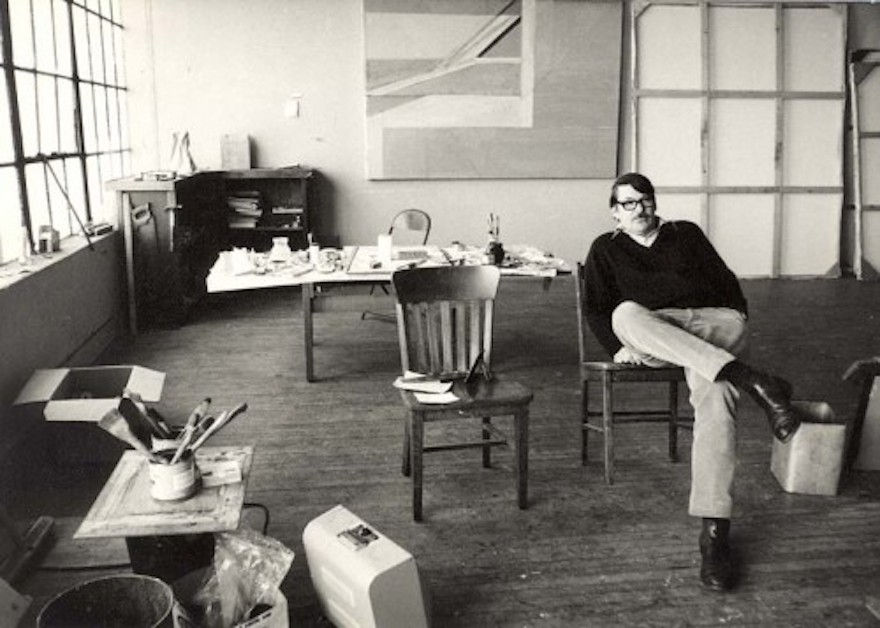
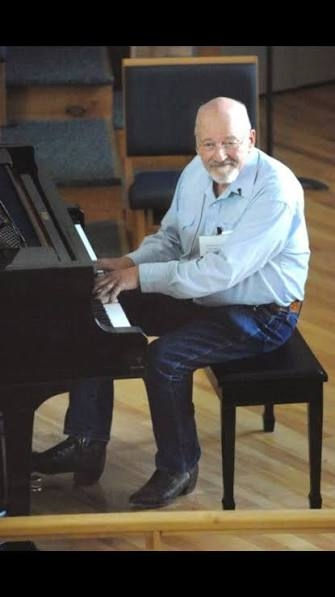
Here are some pictures of famous artists and their studios.






La información relacionada con la loteria puede ser muy práctica cuando se busca comprobar resultados y conocer los números publicados después de los sorteos. Un sitio organizado ayuda a localizar los datos con rapidez y ofrece una experiencia más cómoda para quienes consultan regularmente este tipo de información.
My sister recently needed a waxing appointment, so we looked for a salon in Dehradun that offered professional waxing services. She chose Freyza The Salon, and her experience was quite good. The staff explained the process properly and made her feel comfortable during the service. She was happy with the smooth results and appreciated the clean and welcoming environment. We also found it convenient that they offer different waxing options, including arms, legs, underarms, face, and full body. The salon is located at The Forest Residency, Mussoorie Road, Opposite Haldiram, Dehradun.
10.0.0.0.1 Admin is the default gateway for many routers and LPB Piso WiFi. Access the admin panel to manage WiFi settings, passwords, and network options.
10.0.0.1 is a private IP address used as a router gateway. Access the admin panel, configure WiFi settings, and fix 10.0.0.0.1 problems.
10.0.0.1 is the default IP address used to access a router's admin panel. 10.0.0.0.1 Admin is an invalid IP address and will not open the login page.